Pain sits at the core of professional work, from the stressed back in primary care to the chest trauma getting here in resuscitation. Yet official training hurting assessment and multimodal administration often trails behind the demand. A certification course in pain administration can close that gap, lining up useful skills with evidence and administration. The most effective programs surpass procedures. They educate scientific judgment, communication under pressure, and implementation in imperfect real-world settings.
I have instructed and supervised clinicians with pain monitoring training throughout healthcare facilities, community services, and industrial websites. Certification and paths matter. They shape integrity, range of practice, and whether your hard-won skills translate right into better client care. Below is just how I encourage medical professionals to come close to the landscape, with information on certification courses, core competencies, emergency applications, and how to choose the appropriate pain administration certification training course for your role.
What "approved" really means
Accreditation is not one point. It is a split concept that covers quality assurance, positioning with professional standards, and recognition by employers or regulatory authorities. A certification course in pain management might be:
- Professionally accredited: Backed for continuing specialist development or continuing education (CPD/CE) by nursing or physiotherapy bodies, medical colleges, or paramedicine councils. Competency-based or unit-aligned: Mapped to specific competencies such as evaluation structures, safe opioid stewardship, and procedural analgesia. Recognized for extent extension: In some jurisdictions, successful completion sustains extended technique benefits, for example nurse-initiated analgesia pathways or procedural sedation credentialing.
These layers are not compatible. A glossy badge for CPD hours might help with annual registration however does not ensure useful skills. On the other hand, a strenuous assessment-based program that consists of monitored instances may not immediately draw in CPD points unless the supplier uses. The toughest pain administration training programs usually incorporate formal endorsement with meaningful analysis of skill.
The PUAEme008 reference and why it keeps coming up
Clinicians, specifically those operating in emergency, first feedback, and commercial health and wellness, usually see references to puaeme008 offer discomfort monitoring. That code appears in occupation structures where devices define particular abilities. In ordinary terms, puaeme008 give pain administration defines competencies for recognizing discomfort, choosing safe and effective treatments, keeping an eye on response, and intensifying or referring when required. It versions exercise in setups where timely alleviation is both safety-critical and legally bounded by protocols.

If a training supplier advertises puaeme008 provide discomfort management, confirm they analyze to that system's results, not simply show around it. Ask about simulation integrity, situation intricacy, and whether the evaluation consists of both pharmacological and non-pharmacological strategies. If your employer requires puaeme008 for website job, make certain the certificate clearly mentions this system was attained, not simply "covered."
Core material a qualified discomfort monitoring program should cover
Across careers, you are trying to find deepness in these locations:
Pain evaluation. Beyond numerical scales, medical professionals require to set apart nociceptive, neuropathic, and nociplastic features, and to use useful objectives. In older grownups, cognitive disability and sensory adjustments modify discussion. In kids, physiotherapy education in pain management developmental tools and caretaker input issue. Severe care relies on fad tracking under progressing conditions.
Pharmacology and safety and security. A severe discomfort management certification training course will include multimodal pharmacology with practical individual complexity. That suggests titration of short-acting opioids with clear indications and understood endpoints, non-opioid accessories such as NSAIDs, acetaminophen, ketamine in sub-dissociative dosing, lidocaine spots, and regional strategies where extent permits. They need to address opioid conversions, kidney and hepatic dosing, QT dangers, serotonin disorder, and drug-drug interactions.
Procedural and local alternatives. Also if you do not perform nerve blocks, understanding when a fascia iliaca block, hematoma block, or periarticular seepage improves outcomes will alter your referrals and partnership. Physio therapists gain from recognizing block timing and rebound patterns to plan mobilization. Registered nurses in emergency can prepare for analgesic spaces as blocks use off.
Non-pharmacological methods. Ice, altitude, splinting, positional techniques, and cognitive techniques can drop discomfort scores quickly and decrease opioid usage. Postoperative and trauma setups frequently underestimate these essentials, yet they are low threat and very efficient when done early and consistently.
Documentation and communication. Charting pain analysis, action to interventions, and damaging effects is a safety measure, not an invoicing exercise. Good programs teach concise, defensible notes, patient permission for relatively easy to fix dangers, and handover frameworks that keep analgesia consistent throughout shifts.
Ethics, equity, and bias. Researches reveal discomfort undertreatment in specific populations, consisting of those with minimal English, compound use background, and chronic pain. Any kind of credible discomfort monitoring training program ought to assist medical professionals determine prejudice, browse requests safely, and prevent punishing framing.
Pathways by profession
Different functions require tailored paths and evaluations. Pain management training courses for registered nurses, physio therapists, and others must show their legal extent and day-to-day work.
Nurses. For severe treatment nurses, modules on nurse-initiated analgesia, titration procedures, and monitoring for respiratory depression are vital. Pain administration training for nurses should include rapid assessment in triage, use of analgesic ladders, pediatric application, and acceleration requirements. If your solution runs nurse-led procedural sedation, look for a qualification with respiratory tract, capnography, and sedation reversal training, plus yearly recertification. Nurses in aged treatment and hospice require extra material on long-acting opioid turning, constipation prophylaxis, and deprescribing.
Physiotherapists. Pain administration courses for physio therapists need to hang around on rated direct exposure, pacing, central sensitization, and interaction that minimizes worry and catastrophizing. Intense musculoskeletal pain often reacts to education, early movement, and adjunctive techniques. The greatest training courses incorporate discomfort neuroscience education with practical loading developments and outcome steps, then link to reference paths when red flags show up or pharmacologic input is needed.
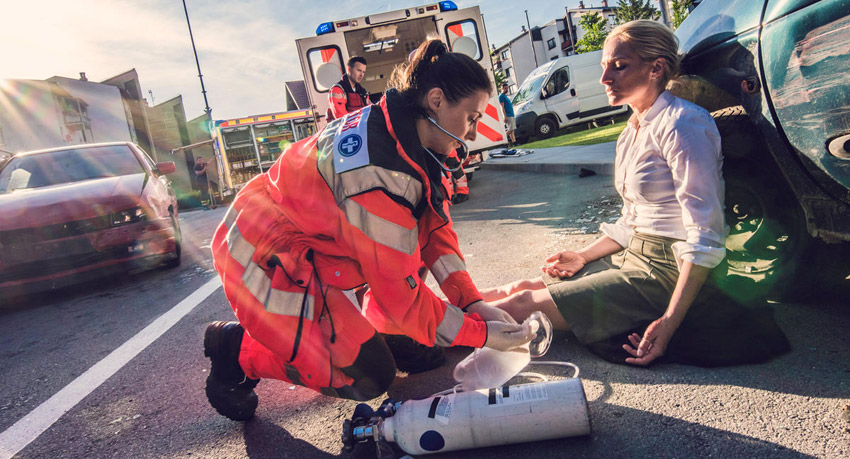
Paramedics and initial -responders. Emergency situation pain management needs quickly, safe, protocol-based decisions in constricted atmospheres. Training courses aligned with puaeme008 supply pain management and similar devices ought to include intranasal fentanyl or ketamine titration, splinting, melt air conditioning, and pediatric adaptations. Reasonable circumstance job makes the distinction here.
Primary treatment physicians and physician affiliates. Outpatient job needs risk analysis for opioid prescribing, pee drug testing procedures where suitable, multimodal preparation, and tapering techniques. Time performance issues, so programs that offer templated treatment plans and quick evaluation structures will see more use in practice.
Allied wellness across community and recovery. Chronic discomfort content have to relocate past lectures into case-based practice with measurable useful goals. Interdisciplinary exercises instruct how to develop a shared plan without perplexing the person with blended messages.
What analysis need to look like
Exams are not nearly enough. Skill suffering monitoring reveals at the bedside. When I examine a discomfort monitoring certificate, I try to find several assessment settings: pre-course analysis with quizzes to standardize expertise; observed substitute experiment respiratory tract equipment, infusion pumps, or ultrasound designs if blocks remain in scope; situation reviews demonstrating reasoning, risk analysis, and follow-up; and live feedback with remediation if a prospect battles with dosing or communication. Programs that approve capability after a single-choice examination generally leave clinicians underprepared.
Short courses suffering monitoring versus prolonged tracks
You will certainly discover two wide sorts of offer: short training courses suffering management, commonly 1 to 3 days with blended on-line components; and longitudinal programs running 6 to 16 weeks with workplace jobs or supervised cases.
Short courses function well for focused objectives: updating emergency pain management methods, discovering sub-dissociative ketamine use, or lining up a ward on documents requirements. They are much less effective for frame of mind shifts called for in chronic pain or complex opioid administration, where representation and monitored method matter. Prolonged programs justify the time by embedding practice changes. The trade-off is availability and expense. If spending plan limitations you to a brief program, select one that consists of scenario job and follow-up training sessions.
The special case of emergency situation pain management
Pain in emergencies sets a tone for the whole person journey. If we get analgesia right early, we decrease delirium, improve step-by-step success, and build trust. A strong emergency pain module should stress quick screening for red flags, non-opioid first-line choices when appropriate, and very early use regional techniques in hip fractures, rib injury, or forearm fractures where experienced personnel are available.
Edge cases matter. The patient with suspected head injury and hypotension. The older adult with rib fractures and COPD on home oxygen. The youngster with a forearm defect in extreme distress. Methods overview, yet the clinician's calibration identifies risk-free titration. Training should include micro-dosing strategies, for instance fentanyl 0.5 to 1 mcg/kg intranasal with review every 5 minutes, or ketamine 0.1 to 0.3 mg/kg IV for analgesia with clear quit guidelines. The course ought to also show when to pivot to non-pharmacological activities like splinting before escalating medications.
Integrating accreditation into your practice
Certification only matters if it alters your service. When teams return from a discomfort administration certification course, I ask to select 3 implementation tasks for the next month. Instances include taking on a standard pain assessment device across triage and inpatient wards, establishing a nurse-initiated analgesia procedure with requirements and guardrails, and developing a simple order set that bundles acetaminophen, NSAIDs where safe, and topical agents before opioids for typical conditions. The next quarter, we investigate 2 indications: time to first analgesia and percentage of people obtaining multimodal treatment. Small, repeated improvements beat a rack of certificates.
Selecting a provider: functional vetting
You do not need a thousand-line spread sheet to veterinarian a program. Four questions usually reveal the truth.
- Who shows it, and what is their clinical currency? A course instructed by people that still take telephone calls or work shifts will certainly really feel various. They teach trade-offs, not simply pathways. How is competence assessed? Look for straight monitoring, case-based discussions, and comments loops. If evaluation is just a multiple-choice test, be cautious. What recognition does it carry? CPD/CE credit reports help. Placement with proficiencies or devices such as puaeme008 provide discomfort administration pays for transportability throughout companies. Ask whether your health center or service accepts the certification for credentialing. What assistance exists after the training course? Access to resources, situation consults, and updates over the following year multiplies the value.
Legal and honest boundaries
Pain monitoring intersects with controlled substances, permission, and paperwork demands. Training should spell out your regional lawful boundaries. Nurse-initiated opioid methods, as an example, should be approved, with dosing arrays, review intervals, and rise standards. Physiotherapists usually can not prescribe opioids, yet they birth a task to identify unrestrained pain and supporter or refer. The course needs to train clinicians to document reasoning in addition to numerical ratings: function, objectives, damaging effects, and client understanding.
Equally important is opioid stewardship. A discomfort management training course that ignores dependence danger, aberrant behaviors, and non-pharmacological choices is incomplete. Yet stewardship has to not change right into bias or undertreatment. Good training structures run the risk of mitigation as balanced care, not gatekeeping.
Digital and mixed discovering that in fact works
Online components can educate core pharmacology and theory effectively. Where mixed learning sparkles is in the practical layers. Brief video clip presentations of discomfort evaluation in the nonverbal grownup, splinting methods that prevent pressure factors, and caregiver mentoring for pediatric burns often deliver much more retention than text. Live virtual case discussions, with participants offering anonymized instances, aid bridge classroom and facility. Be careful programs that pack excessive right into passive video. If you complete an eight-hour component with even more questions than responses, the design most likely depended on presentation over practice.
The certificate and your career
A pain administration certificate signals competence and intent. For nurses, it can support improvement right into scientific teacher roles, sharp pain services, or triage leadership. For physio therapists, it reinforces accounts in bone and joint, perioperative, and relentless discomfort solutions, and boosts collaboration with clinical teams. For paramedics and very first -responders, it opens pathways to advanced method or industrial roles where pain protocols have to be carried out without a safeguard nearby.
That stated, the certification is a beginning factor. The medical professionals who truly transform results utilize the training to work out far better procedures, embrace lists online pain management course that minimize variation, and instruct peers. Maintain a basic portfolio: instances where you executed multimodal strategies, solved complicated analgesia in renal impairment, or used non-pharmacological techniques to avoid acceleration. Those stories carry weight with credentialing committees and hiring panels.
A brief contrast naturally kinds and that they suit
Programs differ widely. Three archetypes appear often.
Hospital-endorsed sharp pain training courses. Typically 1 to 2 days, these courses instruct assessment, opioid titration, and tracking, with emphasis on ward workflows. Strong choice for registered nurses and jr doctors. They have a tendency to supply CPD and immediate office relevance.
Emergency pain administration intensives. Typically scenario-heavy, they focus on fast decisions, pediatric dosing, intranasal choices, and trauma analgesia, in some cases with local blocks. Helpful for ED personnel, paramedics, and urgent treatment. Look for a training course that includes simulation and airway training.
Interdisciplinary persistent and persistent discomfort certificates. Longer period, case-driven, with discomfort neuroscience, behavioral techniques, medication administration, and team-based planning. Best for physio therapists, GPs, psycho therapists, and pharmacists working in integrated care. Execution coaching is a differentiator here.
How to obtain the most worth from your enrollment
A training course alone will certainly not reset habits. Plan your application in advance. Choose two patient populaces in your technique that deal with pain monitoring. Common selections consist of older grownups with hip cracks and individuals with rib fractures and COPD. As you learn, gather devices that fit those instances, for example a fascia iliaca block recommendation algorithm or a rib crack bundle with reward spirometry, regional anesthetic reference requirements, and non-opioid anchors. Arrange a brief in-service with your team the week after the program, focusing on those 2 populaces. Then measure one variable for a month, such as time to very first dose or percentage obtaining multimodal treatment. These tiny cycles transform educating right into outcomes.
Where puaeme008-linked training sits within broader curricula
Units such as puaeme008 give discomfort monitoring often live within emergency treatment, public safety, or industrial health frameworks. They are not indicated to replace specialist sharp pain solutions or chronic discomfort fellowships. Rather, they elevate the floor for safe, constant discomfort relief in settings where prompt activity matters. If your service works in remote or resource-limited environments, this unit-aligned training becomes a safety and security requirement. Match it with routine drills, medicine checks, and kit audits. The goal is proficiency that survives the change from class to roadside or factory floor.
Cost, time, and return on investment
Prices differ extensively. Short recognized training courses for people commonly vary from a modest charge to a number of hundred dollars, depending upon simulation sources and faculty. Team-based onsite training expenses much more however can systematize practice throughout a device in a solitary day. The return appears in fewer adverse events, much shorter lengths of keep for usual injuries, and far better patient complete satisfaction scores. From a clinician's perspective, the return is job leverage and much safer decision-making. If your employer provides research assistance, build a straightforward company case: current pain metrics, expected adjustments, and just how the program straightens with institutional goals.
Common pitfalls and just how to stay clear of them
The most frequent risk is mistaking CPD hours for clinically purposeful training. Hours matter much less than web content and analysis. One more is insolence after pharmacology modules without hands-on monitored titration or simulation. Opioid-naive individuals with rest apnea, older grownups with renal impairment, and polypharmacy existing facts that demand practice, not just concept. Ultimately, teams sometimes implement new procedures without bookkeeping results. Without feedback, variation creeps back in.
Bringing it together
Pain monitoring is both science and craft. A well-chosen pain monitoring accreditation course develops both, especially when it includes analysis robustness, emergency circumstances, and execution support. Whether you are checking out discomfort monitoring courses for registered nurses, pain management training courses for physiotherapists, or a basic pain monitoring certificate focused on interdisciplinary groups, anchor your choice in certification clarity, ability assessment, and post-course integration. If your setting ask for emergency situation readiness, a program lined up with puaeme008 give discomfort administration can equip you to act decisively and safely.
Choose with intent. Ask tough concerns of carriers. Then bring the finding out back to your unit with a plan that fits your patients, your methods, and your constraints. The results appear where it counts, in happy faces, smoother procedures, and less crises that might have been avoided with prompt, thoughtful care.